Home : One Article
I have only had the fortune of visiting two cities in the intriguing and beautiful country of
Brazil: Rio de Janeiro and São Paulo. Brazil is the 5th largest country in the world
in terms of both population and land area, and its economy ranks 9th in the world (in terms of purchasing power). Clearly
there is much more for me to see in this country, and I look forward to returning one day.
Rio de Janeiro
Corcovado
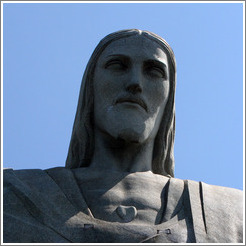
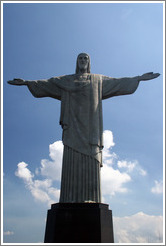
Corcovado Mountain is perhaps Rio de Janeiro's most famous attraction; it was recently named one of the
New Seven Wonders of the World. In Portuguese, Corvocado means "hunchback," referring to the shape
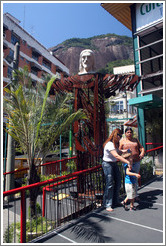
of the mountain. At the top stands a large statue of Cristo Redentor (Christ the Redeemer), overlooking the city.
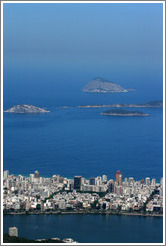
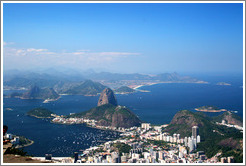
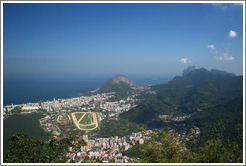
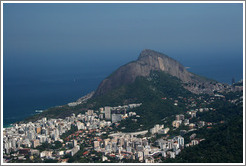
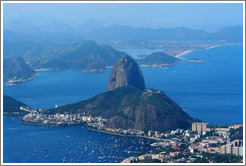
The view from the top of the mountain is spectacular.
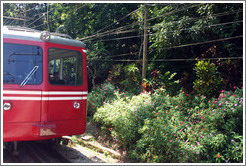
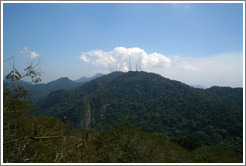
You can reach the top via a road or by taking a train through a lush forest. Built in 1884, the railroad is
Brazil's old electric railroad.
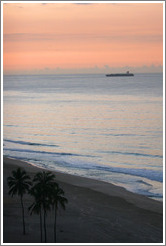
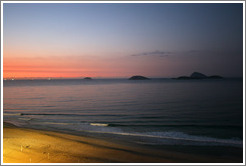
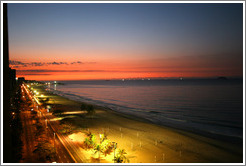
Ipanema
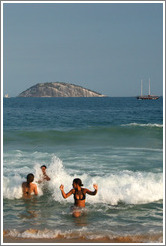
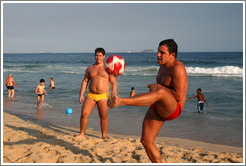
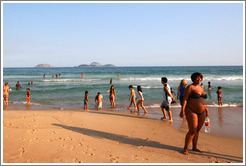
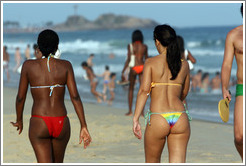
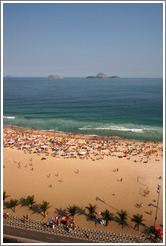
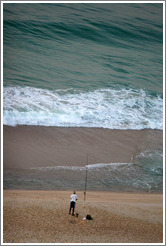
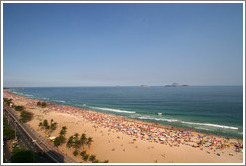
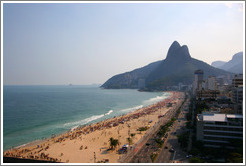
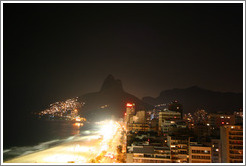
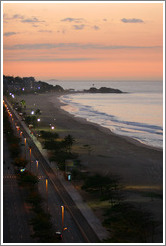
Ipanema is one of Rio de Janeiro's beaches, internationally popularized by Antonio Carlos Jobim's bossa nova
song, Girl from Ipanema. Ipanema is smaller than Rio's other well-known beach, Copacabana, with fewer tourists.
Photos below include some of Leblon, an adjacent beach.
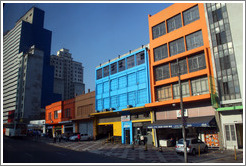
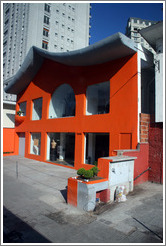
São Paulo
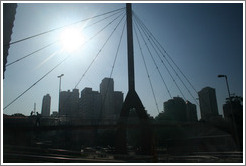
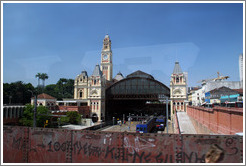
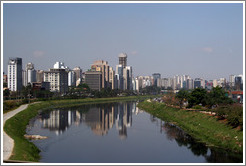
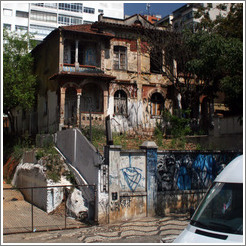
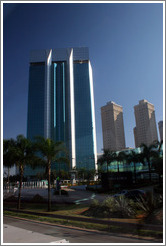
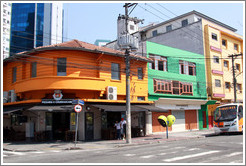
São Paulo is Brazil's business center. With a population of 19 million in the greater metropolitan
area, it is the largest city in the southern hemisphere.
Interestingly, many cars in Brazil are flexible-fuel vehicles; they can run on gasoline, alcohol, or any mixture of the two.
Apparently this truck runs on 100% Jesus.
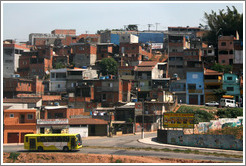
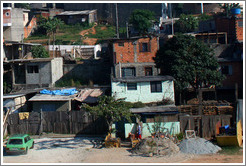
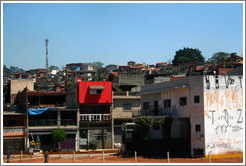
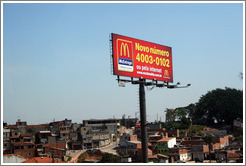
Favelas
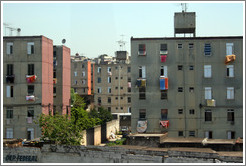
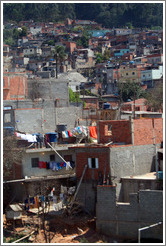
A favela is a Brazilian shanty town, where people live in close quarters in poorly-constructed houses, often without sewage
or electricity. The most famous favelas are in Rio de Janiero, constructed on hillsides overlooking the city (in a North
American city, those hillsides with views would have the highest land prices in the city). These pictures below are
of the less famous favelas in and around São Paulo.
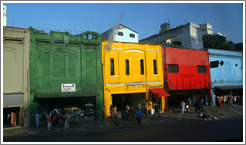
Liberdade
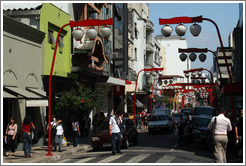
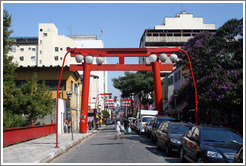
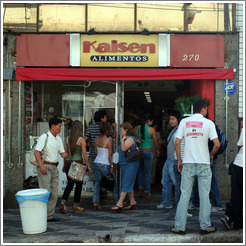
The Liberdade neighborhood of São Paulo holds the largest Japanese population outside of Japan.
Graffiti
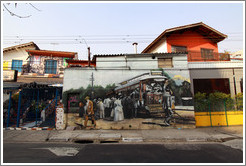
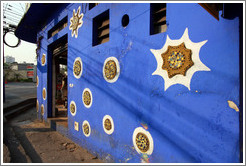
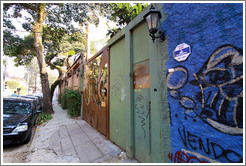
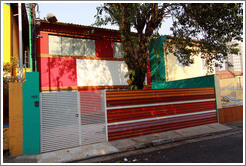
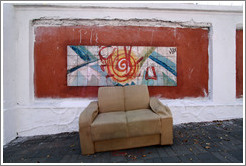
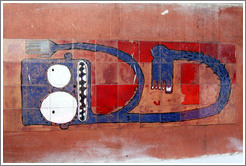
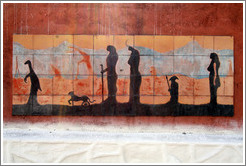
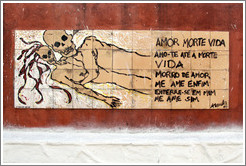
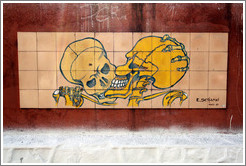
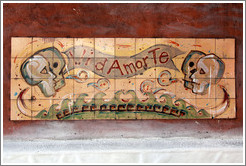
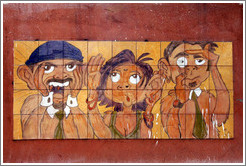
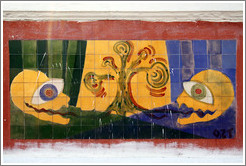
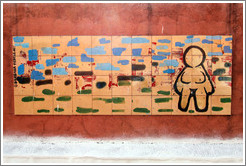
Some of the most interesting, beautiful, and strange graffiti I've ever seen can be found in the city of
São Paulo. Some day I'd like to hire a driver and spend an entire day on a "graffiti
tour." Here are some examples:
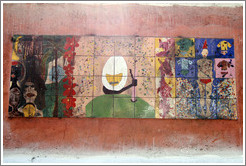
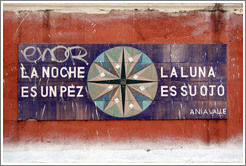
Graffiti in Liberdade (see above for description of neighborhood):
Natura
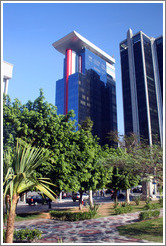
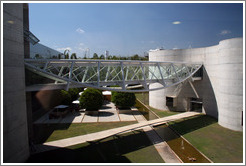
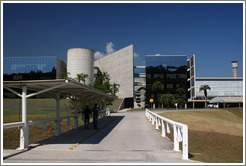
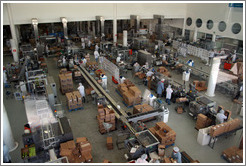
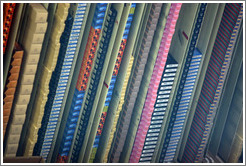
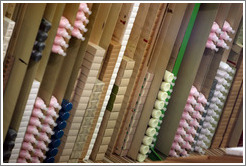
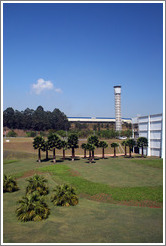
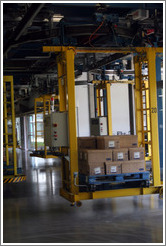
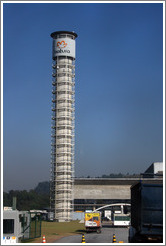
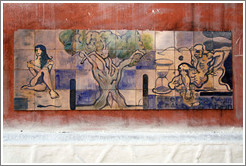
Natura, headquartered outside of São Paulo, is Brazil's largest cosmestics company. Natura's headquarters and
factory are gorgeous, laid out according to feng shui principles.
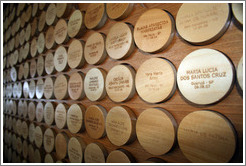
Employee benefits are similar to Google's: free busses to work, free food (including organic and vegetarian selections), gym, massages,
on-site doctor, and child care.
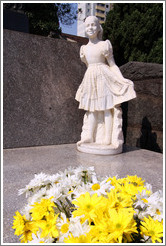
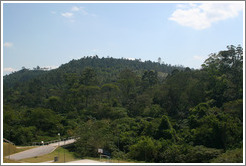
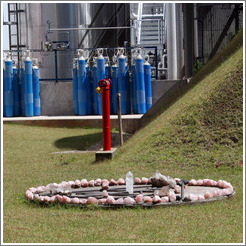
Solar power is collected in the parking lot, and the company has planted a forest of indigenous trees on its grounds. Natura has won numerous awards for its management and environmentalism.
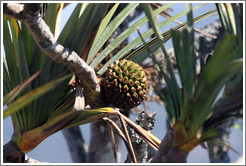
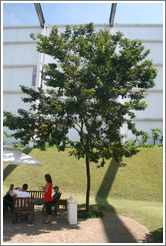
This is the Pau Brasil tree, after which the country of Brazil was named.
Eve Andersson (eve@eveandersson.com)
Add a comment
Advertisements